
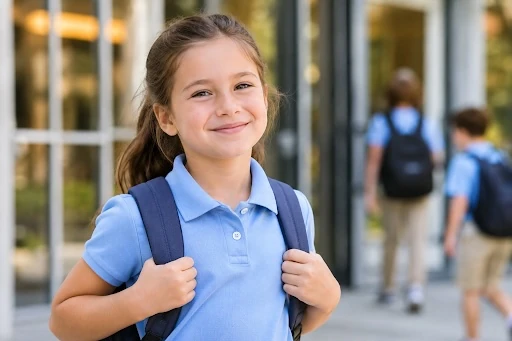
The first day of school can bring a strange mix of excitement and nerves. We can all remember it and put ourselves back in that unmistakable jittery state.
Some children can’t wait to see their friends and meet their teacher. Others become quieter as the day approaches, and they may ask more questions or have trouble sleeping. Some become clingy in the morning, or suddenly announce that they don’t want to go. Back-to-school anxiety in kids is often a response to change. Even children who usually enjoy school may feel uneasy about new routines or returning after a long break.
At Wise Owl Private School, our educators take time to understand each child’s personality, learning needs and comfort level, helping students develop confidence and a sense of belonging within the classroom.
Talk About the First Day Before It Arrives
Of course, uncertainty can make nervousness feel much bigger. Adults feel this too!
Parents can help by talking through what the first day will probably look like: What time will you leave? Who will bring them to school? What happens when they arrive? When will you see them again?
For younger children who don’t have much experience in classrooms yet, knowing what comes next can make the day feel more manageable. You don’t need to promise everything will be perfect. A calm reminder that things may feel unfamiliar at first, but that teachers will be there to help, can be much more reassuring.
It’s Ok, Let Your Child Be Nervous
When a child says they’re worried about school, it’s tempting to respond with, “There’s nothing to be nervous about.” Usually, there is something. Maybe they’re worried about making friends, struggling with a subject, or answering a question incorrectly.
Giving children space to explain what’s bothering them can make those feelings less overwhelming and all-encompassing. Sometimes listening is more helpful than trying to solve the problem right away.
Rebuild the Routine Early
A few days before school begins, gradually returning to earlier bedtimes and predictable morning routines can make the transition feel less abrupt. Let your child prepare their backpack or organize school supplies. Small tasks like these can give them a sense of control over something that may otherwise feel uncertain.
Remember That Quiet Doesn’t Mean Something Is Wrong
Not every nervous child will tell you they’re nervous. Some children become quieter while adjusting. They may watch before joining an activity or wait until they feel comfortable talking with classmates. That doesn’t necessarily mean they’re unhappy or disengaged.
As we discuss in our accompanying article about confidence in the classroom, some children simply need more time and trust before they’re ready to show what they know. The important thing is having adults around them who notice.
A Smaller Environment Can Make the Transition Easier
In a smaller school community, teachers often have more opportunities to recognize subtle changes. A normally enthusiastic child becoming quiet, or a student lingering at the edge of a group activity, may be easier to notice. At Wise Owl, our Kindergarten and Elementary School program is built around close relationships and individualized support.
For children who feel overwhelmed in busier settings, the benefits of small schools can be especially valuable during transitions. Familiar faces, fewer competing voices, and stronger teacher relationships can help the school feel comfortable again.
Give Confidence Time to Return
Progress isn’t always dramatic. A child may mention someone they sat with at lunch, tell you something funny their teacher said, or stop asking whether they have to go back tomorrow, and those moments matter.
Our approach to personalized learning gives educators opportunities to meet children where they are rather than expecting every student to adjust in the same way. Some children settle in within hours. Others need several days or weeks.
If your child’s anxiety continues for several weeks or begins affecting their sleep, daily routines, or willingness to attend school, consider speaking with their teachers to identify additional ways to support a positive transition.
At Wise Owl, we know our students adjust best when they feel the adults around them are paying attention. If your child tends to feel overwhelmed in larger environments, you can schedule a tour to learn more about Wise Owl’s smaller, relationship-focused school community.