
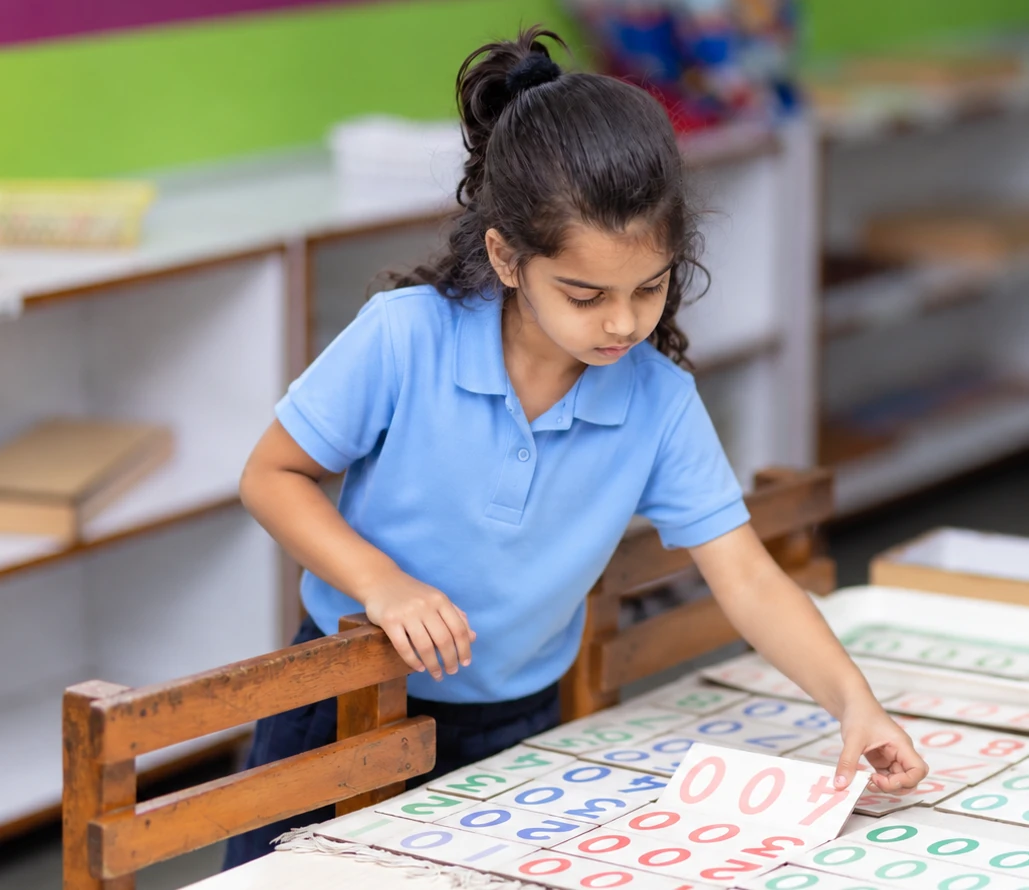
Every child responds to school differently, and while some can walk into a busy classroom and immediately feel energized by the activity around them, others need more time and more quiet. They need a stronger sense of connection before they feel comfortable enough to participate within the learning environment.
Regardless of where your child’s learning personality falls, neither response is wrong. Children simply have different personalities, sensitivities, and ways of engaging with the world. For some students, a larger classroom can feel exciting. For others, it can feel overwhelming.
That is one reason the benefits of small schools extend well beyond academics. A smaller elementary school community can give children more opportunities to feel known and supported before they are expected to perform. At Wise Owl Private School, we believe children often learn more confidently when they feel secure in their environment and connected to the people around them.
Some Children Need Less Noise Before They Can Learn
A busy classroom can involve constant movement and dozens of competing sights and sounds. Many children adapt easily while others can become overstimulated and uncomfortable. When that happens, the reaction isn’t always obvious. One child may become frustrated more quickly or lash out when the environment feels like too much. Another may respond differently, becoming unusually quiet or retreating inward.
Those reactions don’t necessarily mean a child is unwilling to learn or participate. Sometimes they are simply communicating, in the only way they know how, that they need more support or a different environment. In a smaller school community, teachers have more opportunities to recognize those patterns before a child becomes completely overwhelmed.
The Benefits of Small Schools Begin With Being Known
It’s nearly impossible to feel invisible when your teacher truly knows who you are and what makes you special. Smaller learning environments give educators more time to notice the little things: when a usually enthusiastic child suddenly stops participating, when someone seems frustrated during a particular type of lesson, or when a quieter student understands far more than they’re comfortable saying aloud; that individual awareness can make a tremendous difference.
Our Kindergarten and Elementary School programs are built around the idea that children learn best when teachers understand not only their academic abilities, but also their personalities, interests, strengths, and areas where they may need additional encouragement; for a child who has previously felt overlooked in a larger environment, simply realizing that an adult notices them can begin to change everything about learning for the better.
Smaller Communities Can Make Participation Feel Safer
Not every child wants to raise their hand in a room full of classmates, as some students need confidence before participation becomes comfortable. They may worry about giving the wrong answer or attracting unwanted attention. A smaller classroom can lower that barrier.
In smaller classrooms, there are fewer competing voices, more opportunities to contribute, and more time for teachers to encourage students who might otherwise stay on the sidelines. Over time, a child who once avoided participating may begin answering questions, sharing ideas with classmates, or volunteering for activities; these benefits of smaller classrooms can be hard to measure on a report card but are incredibly meaningful to a family.
Personalized Attention Can Prevent Frustration From Building
Children don’t all become frustrated for the same reasons. One student may be struggling with an assignment and feel embarrassed about asking for help. Another may finish quickly and become restless because they need a greater challenge. In a larger environment, those needs can go unnoticed until frustration has already built to an unproductive, unhealthy level.
Our approach to personalized learning gives teachers the flexibility to respond to individual students earlier. Sometimes that means providing extra guidance. Sometimes it means offering a different challenge. Sometimes a child simply needs a few quiet minutes and a familiar adult who understands how they feel.
Confidence Often Grows From Small Everyday Experiences
Confidence doesn’t usually appear all at once.
It develops when a child answers a question, realizes their idea matters, and a teacher notices their progress. It builds when they make a friend or recover from a mistake without feeling embarrassed. Those moments accumulate, letting confidence grow in a smaller classroom environment.
One of the greatest benefits of small schools is that these moments are harder to miss. Children have more opportunities to build meaningful relationships with teachers and classmates, and those connections can gradually help them become more comfortable in school and in life.
The Right School Environment Is Different for Every Child
A smaller school isn’t automatically the right answer for every family, just as a larger school isn’t automatically a poor fit. What matters is understanding your child.
- Does your child become energized or overwhelmed by busy environments?
- Do they readily ask for help, or do they quietly struggle?
- When they’re frustrated, do they become more reactive, or do they withdraw?
- Do they seem happiest when they know the people around them well?
Those questions can tell parents far more than class-size numbers alone.
For families exploring a private elementary school in Toronto, Wise Owl offers a smaller, relationship-focused learning community where children can feel known and encouraged as individuals.
If your child hasn’t felt fully comfortable or confident in a larger school environment, our Admissions team would be happy to speak with you about whether Wise Owl may be the right fit.